How Gangnam Style Broke YouTube's View Counter in 2012
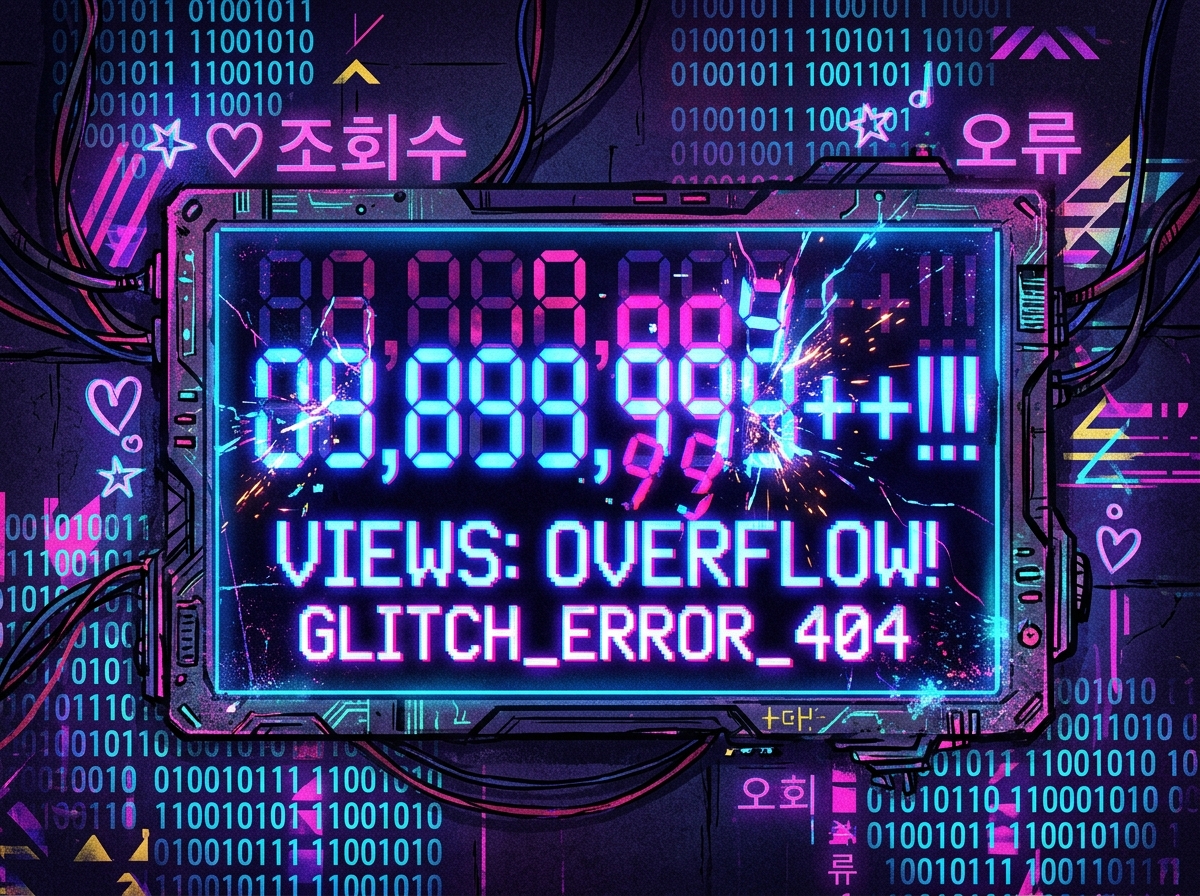
In July 2012, a South Korean rapper released a music video that would do more than top charts—it would literally force one of the world’s largest tech platforms to rewrite its code. PSY’s “Gangnam Style” didn’t just become a viral sensation; it broke YouTube’s view-count system, exposed the platform’s technical limitations, and redefined what global pop culture success looked like in the digital age.
The Viral Explosion That Changed Everything
“Gangnam Style” premiered on July 15, 2012, and within weeks became a phenomenon unlike anything the internet had seen. The song’s catchy synth hooks, absurdist humor, and PSY’s signature horse-riding dance became instantly recognizable worldwide—transcending language barriers in a way few Korean songs had before.
By the end of 2012, the video had racked up hundreds of millions of views. But it was what happened next that truly made history.
Breaking Records No One Knew Existed
On December 21, 2012, “Gangnam Style” became the first YouTube video ever to surpass 1 billion views—a milestone that seemed almost incomprehensible at the time. YouTube marked the occasion with a special animated counter on the video’s page, acknowledging the unprecedented achievement.
To understand why this mattered: in 2012, hitting 1 billion views was so far beyond what anyone thought possible that YouTube’s engineers hadn’t planned for it. The platform’s view counter had been built using a 32-bit integer system, which capped the maximum possible view count at approximately 2,147,483,647 views.
YouTube never expected a single video to approach that limit.

When the Counter Couldn’t Keep Up
As “Gangnam Style” continued its relentless climb through 2013 and 2014, YouTube engineers faced a very real problem: the video was on track to exceed the maximum number their system could handle. If the counter hit that 2.14-billion ceiling, it would essentially “max out”—potentially freezing or causing display errors.
In December 2014, as the video neared 2 billion views, YouTube upgraded its entire view-counting infrastructure to accommodate what had previously seemed impossible. The platform switched to a 64-bit integer system, which raised the theoretical maximum view count to over 9 quintillion—a number so large that no video would conceivably reach it in any human timeframe.
Why It Forced YouTube’s Hand
YouTube publicly acknowledged the upgrade in a witty Google+ post (remember Google+?) that read: “We never thought a video would be watched in numbers greater than a 32-bit integer… but that was before we met PSY.”
The technical shift wasn’t trivial. Changing the underlying data structure required updates across YouTube’s massive infrastructure, affecting how views were stored, counted, and displayed across millions of videos and multiple systems. One viral music video had effectively stress-tested and broken one of the internet’s largest platforms.
The Cultural Impact Beyond the Numbers
“Gangnam Style” didn’t just break YouTube—it broke open global perceptions of what Korean pop music could achieve. Before PSY, K-pop had dedicated international fanbases but rarely crossed over to true mainstream Western recognition.
The song topped charts in over 30 countries. It hit #2 on the Billboard Hot 100—at the time, the highest charting song by a Korean artist in U.S. history. PSY performed on prime-time American television, appeared at major awards shows, and even met world leaders.
💡 Context: “Gangnam Style” wasn’t actually about promoting luxury—it was a satirical critique of the ostentatious materialism associated with Seoul’s wealthy Gangnam district.
The Legacy for K-Pop and Viral Culture
While “Gangnam Style” is often remembered for its novelty and humor, its impact on the Korean entertainment industry was profound. It proved that Korean artists could achieve unprecedented global scale without singing in English or conforming entirely to Western pop formulas.
In the years that followed, K-pop acts like BTS, BLACKPINK, and others would build on that foundation, amassing billions of views on their own videos—numbers that are now commonplace but were once unthinkable. “Gangnam Style” paved the infrastructure (literally) and cultural pathway that made those later successes possible.
The video also established YouTube as the definitive platform for global music discovery and fandom, particularly for non-English content. It demonstrated that virality wasn’t bound by geography, language, or traditional industry gatekeepers.
Where the Numbers Stand Now
As of recent counts, “Gangnam Style” has accumulated well over 4.5 billion views on YouTube—a testament to its enduring presence as a cultural artifact of the early 2010s internet. While it has since been surpassed by numerous other videos (including several K-pop hits), it remains a landmark in digital history.
The video’s comment section has become something of a time capsule, with viewers periodically returning to commemorate anniversaries or reflect on how the internet has changed since 2012.
The Internet Before and After PSY
“Gangnam Style” arrived at a unique moment: social media was mature enough to spread content globally at unprecedented speed, but the internet was still young enough to be genuinely surprised by viral phenomena. It was one of the last times a single piece of content could truly dominate the global conversation in such a concentrated way.
The fact that it forced YouTube—a platform handling billions of daily views across millions of videos—to fundamentally rework its technical infrastructure speaks to just how extraordinary the phenomenon was. It wasn’t just a hit song with a catchy dance; it was a stress test for the digital systems that had come to define modern pop culture.
More than a decade later, “Gangnam Style” remains a reminder that sometimes, the internet’s biggest moments come from the most unexpected places—and that when cultural and technological forces collide, even the world’s biggest platforms have to adapt.